
[THEM/US]
[THEM/US] is an art project centering the othering of trans people in the current proto-fascist discourse prevalent in Europe and North America.
[THEM/US] begins from a division that is constantly produced and reproduced.
Not as a natural fact, but as a political operation. A line is drawn—between those who belong and those who do not, those understood as stable and those marked as disruptive. The terms shift over time, but the structure remains. What appears as difference is organized, amplified, and made to carry meanings that serve a larger function.
The 20th century offers clear precedents. In moments of economic breakdown and social unrest, fascist movements consolidated power by redirecting anger away from capital and toward constructed internal enemies—Jews, communists, homosexuals, and others marked as deviant or dangerous. This was not incidental. It was functional. Division along lines of identity helped neutralize class antagonism and secure existing power structures.
The present moment shows the same logic in formation. Under increasingly proto-fascist conditions, trans people are being singled out, scrutinized, and turned into a social problem. Their visibility is manipulated, their lives reduced to symbols, and their existence positioned as a threat. This process does not explain the instability people are experiencing; it displaces it.
These paintings are made in opposition to that displacement.
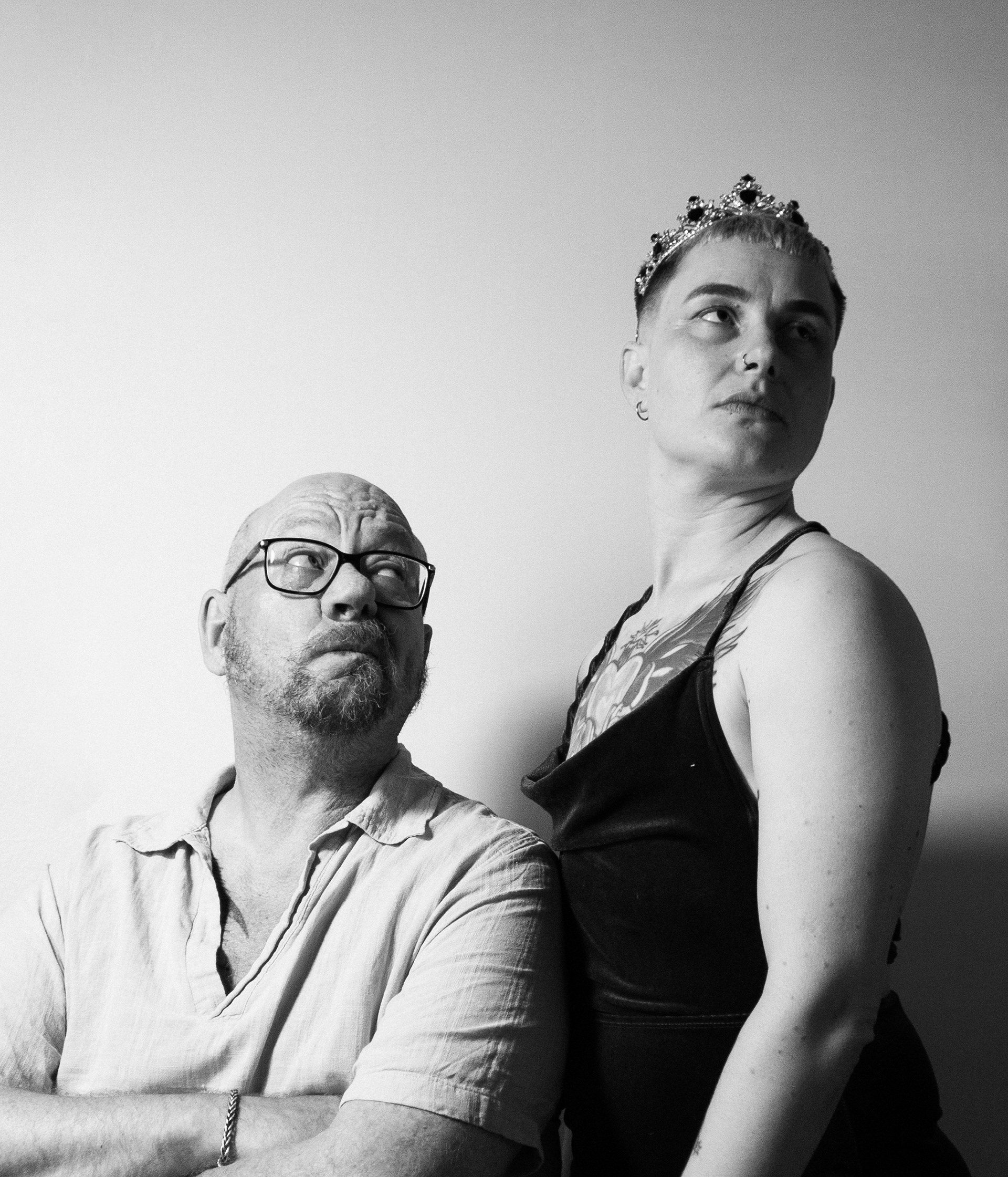
The subjects are not treated as representatives of an issue or a debate. They are not framed as exceptional, symbolic, or tragic. They are depicted as people—material, specific, and present. The work insists on their existence outside the narratives imposed on them.
Portraiture here is not neutral. It is used deliberately against abstraction. Where political rhetoric reduces people to categories that can be mobilized, these paintings return to the individual. Where proto-fascist tendencies depend on distance and simplification, the work demands proximity and attention.
The contradictions of capitalism remain unresolved in these images. They are not explained away or reconciled. But neither are they displaced onto those with the least power to bear them.
What is refused here is the transformation of living people into instruments of political management. What is asserted is simple and direct: they are real people and not the cause of the crisis.
-
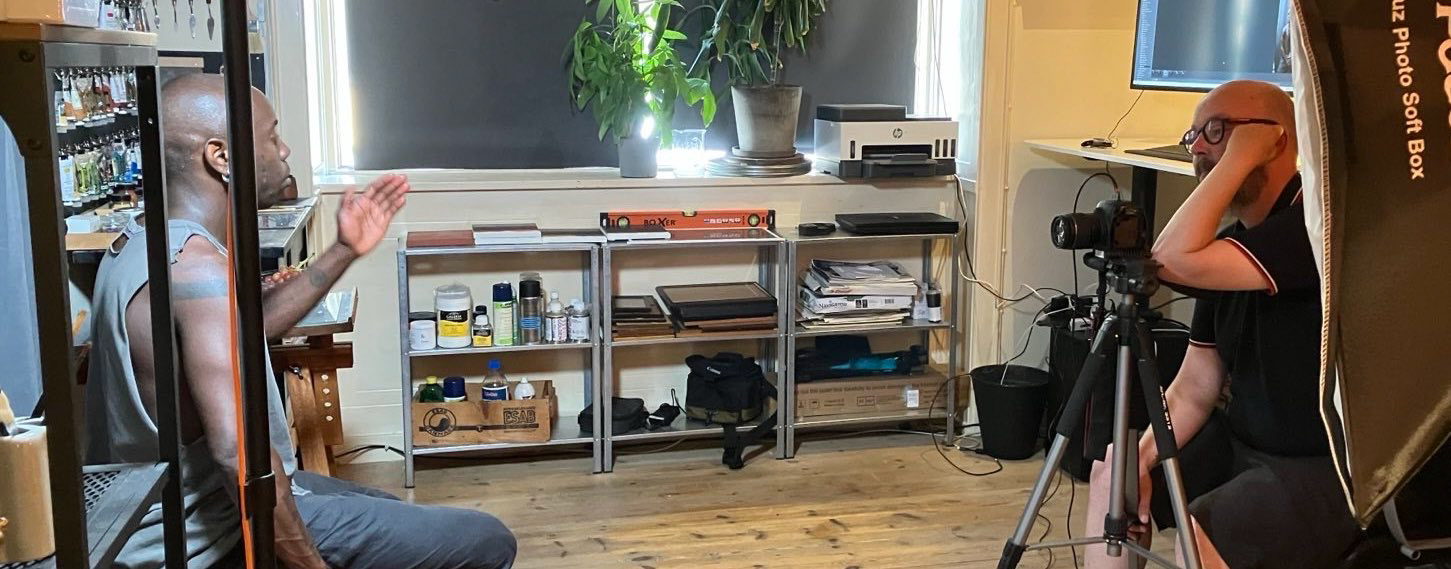
The intended project result is an exhibition and a publication with portraits and contributions from the participants.
If you wish to contribute, participate or collaborate on this project please contact: Niki Feilberg (n.s.feilberg@gmail.com) or Rune Bødker (bodker@gmail.com)